Reading Reference
Job 23–25
The Human Question
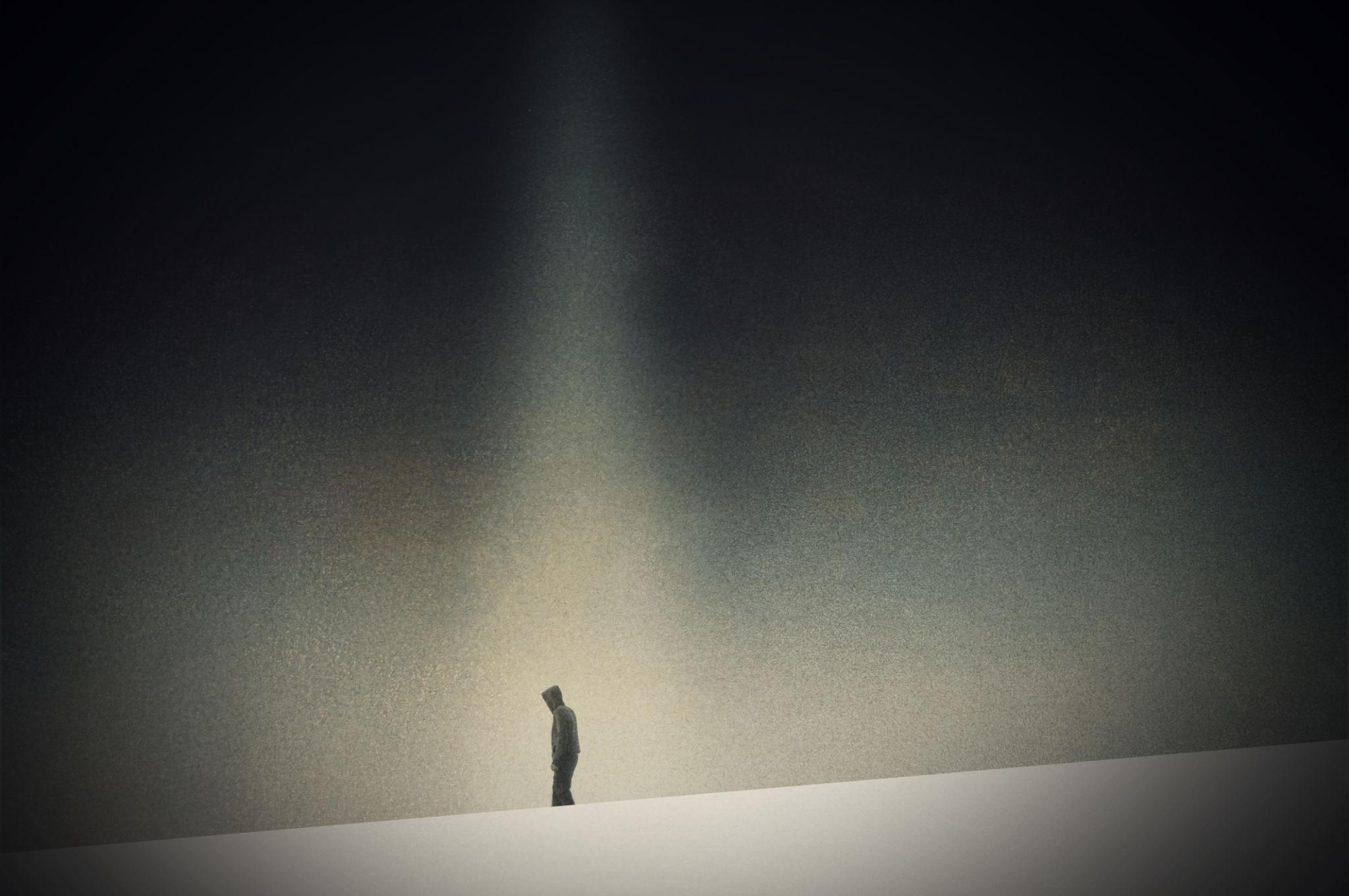
What do we do when we desperately want to hear from God, but heaven feels silent?
There are seasons in life where people continue praying, continue seeking, continue trying to remain faithful, yet internally they feel as though God has become distant or hidden. The silence itself becomes part of the struggle. Questions rise that are difficult to admit openly:
Where is God?
Why does He feel absent?
Why do answers seem delayed?
Why does suffering continue without clarity?
Job reaches directly into that tension in these chapters.
One of the most honest statements in the entire book appears here when Job says that he searches for God in every direction but cannot seem to find Him. He looks ahead, behind, left, and right, yet God feels hidden from him.
That feeling is deeply human.
Many faithful people experience seasons where God’s presence no longer feels emotionally obvious. The prayers feel quieter. The direction feels less clear. The suffering stretches longer than expected. And perhaps most painfully, the silence can begin creating internal fear that maybe God has stepped away entirely.
But what makes Job remarkable is this:
even while struggling with God’s hiddenness, he still continues reaching toward Him.
He does not fully walk away.
And in the middle of that tension, Job says something profound:
“He knows the way that I take; when He has tested me, I shall come forth as gold.”
Job cannot see God clearly, but he still believes God sees him clearly.
That distinction becomes a lifeline.
The Wisdom Beneath the Passage
One of the difficult truths about spiritual formation is that God often does some of His deepest work in seasons where His presence feels less visible. Human beings naturally prefer clarity, reassurance, and immediate answers. But faith matures differently than comfort does.
Job’s suffering has stripped away nearly every external support system. His reputation is damaged. His relationships are strained. His physical condition has deteriorated. Even emotionally, he feels exhausted and isolated.
Yet underneath the confusion, there remains a quiet thread of trust.
Job still believes God knows him.
That matters deeply because mature faith is not built only on emotional experiences. Sometimes faith becomes strongest when a person continues trusting God even while walking through silence, uncertainty, and unanswered questions.
Bildad’s short response in chapter 25 once again emphasizes the greatness and holiness of God compared to humanity’s weakness. And while there is truth in what he says, the deeper answer to human frailty is not found in fear or distance from God.
It is found in Christ.
Job feels the tension between God’s holiness and human weakness, but the gospel reveals that Christ Himself bridges that distance. Jesus enters human suffering personally and becomes Emmanuel — “God with us.” Not God far away from human weakness, but God entering directly into it.
Christ understands what it feels like to walk through suffering and even experience the anguish of apparent abandonment. On the cross, Jesus Himself cried out, “My God, My God, why have You forsaken Me?”
That means believers never walk through hidden seasons alone.
Even when God feels silent, Christ remains present.
The Manly Training Lens
One of the greatest tests of maturity is learning how to remain spiritually anchored when emotions no longer provide reassurance.
Many people build faith almost entirely around emotional clarity. When they feel inspired, hopeful, or emotionally uplifted, trust feels easier. But hidden seasons expose whether a person’s foundation is rooted in circumstances and feelings or in the character of God Himself.
Job teaches us something important:
faithfulness sometimes looks like continuing to seek God while feeling exhausted.
Not dramatic victories.
Not emotional highs.
Simply continuing to remain open to God in the middle of confusion.
That kind of endurance produces depth.
Many men struggle silently during hidden seasons. Some withdraw internally. Others distract themselves with work, entertainment, anger, or emotional shutdown. Some assume that because they cannot clearly feel God, they must somehow be failing spiritually.
But hidden seasons are often part of formation.
Internal order requires learning how to remain steady even when clarity disappears temporarily. A grounded man continues walking faithfully because his identity is rooted deeper than fluctuating emotions.
Job’s confidence was not rooted in understanding everything around him. It was rooted in the belief that God still knew him fully.
That kind of trust becomes stabilizing in difficult seasons.
Reflection Question
When God feels silent or distant, do you continue seeking Him honestly… or do you slowly begin pulling away internally?
Final Thought
Job 23–25 reminds us that hidden seasons are part of the human experience.
There will be moments where clarity fades, answers delay, and God’s presence feels difficult to perceive emotionally.
But silence is not abandonment.
Job could not always see God clearly, yet God still saw Job fully.
And through Christ, believers are reminded that God does not move away from human weakness. He enters directly into it with compassion, patience, and presence.
Even in hidden seasons, we are not alone.
Stay Connected with Manly Training
If this article encouraged or challenged you, share it with someone walking through their own season of formation.
Manly Training exists to help build disciplined, grounded, Christ-centered men through biblical wisdom, leadership, spiritual formation, and daily alignment with God.
Manly Training Rhythm
- Daily: Year of the Bible (6:00 AM)
- Mondays: Small Group Discipleship
- Wednesdays: Foundations & Formations
- Fridays: Teen Discipleship Series
About the Author
Eduardo Quintana is the founder of Manly Training, a platform focused on leadership, spiritual formation, disciplined living, and biblical masculinity grounded in grace and truth.
Copyright Notice
© 2026 Manly Training. All rights reserved.




Leave a Reply